

It was a hot morning near New Smyrna Beach, Florida. I was standing on a wooden marina pier facing the inter-coastal waterway, on a trip to visit family. My husband suddenly pointed to the water,Continue reading
It was a hot morning near New Smyrna Beach, Florida. I was standing on a wooden marina pier facing the inter-coastal waterway, on a trip to visit family. My husband suddenly pointed to the water,Continue reading
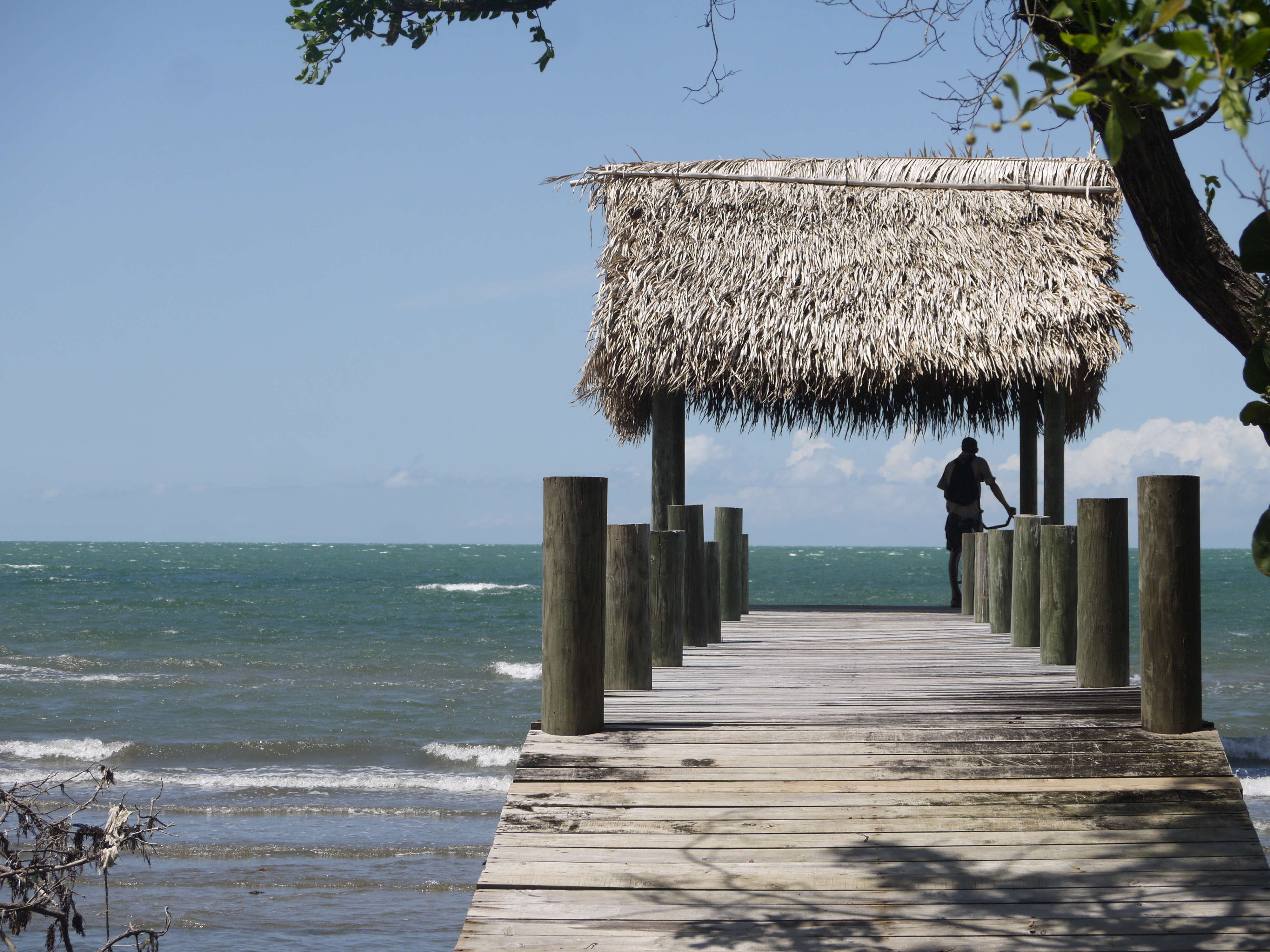
Nestled in southern Belize, Hopkins is a small community of 1,500, but with a burgeoning tourism industry. My husband and I arrived in the village in the afternoon, as one of the first thunderstorms ofContinue reading
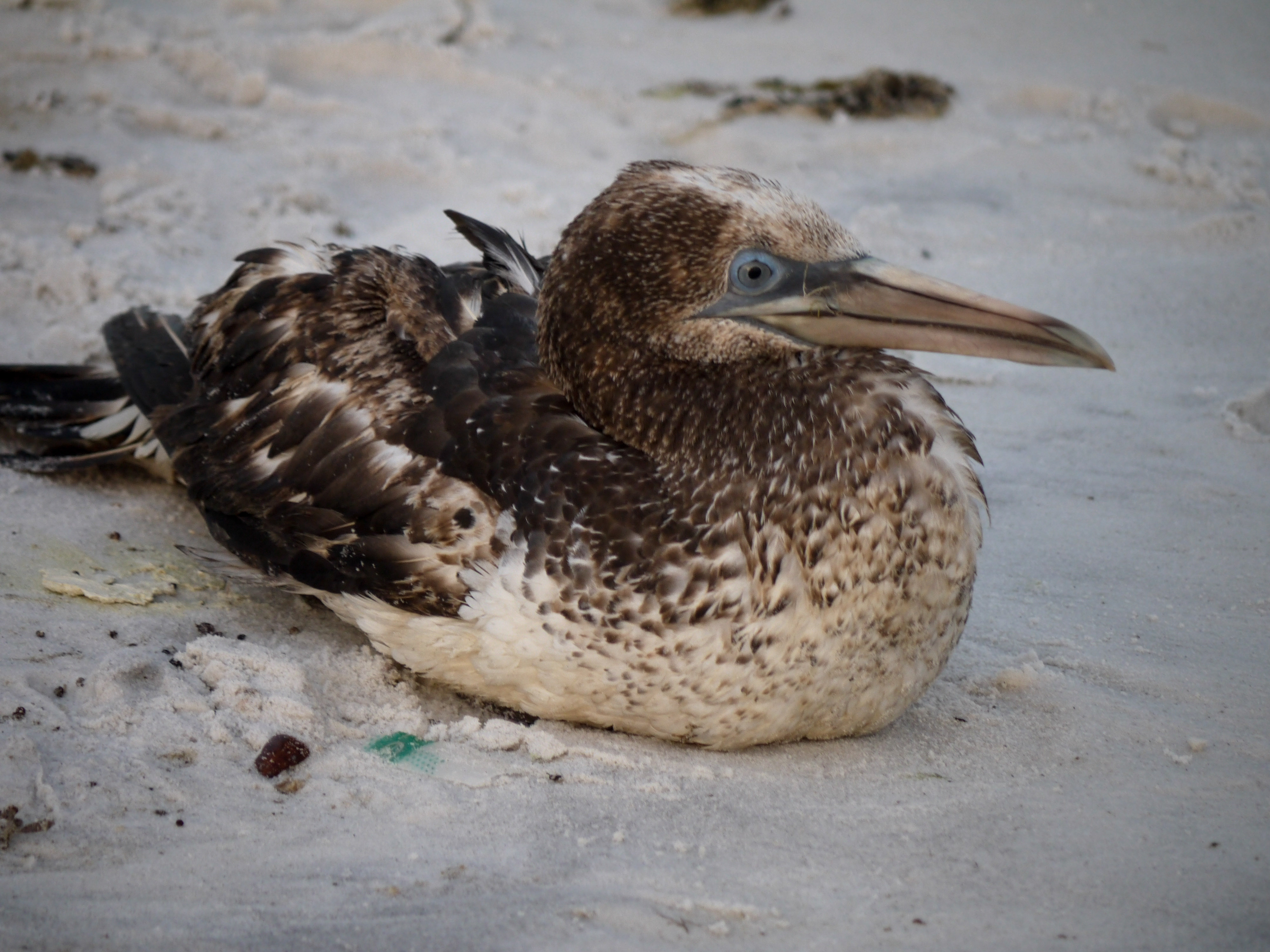
Summer is a busy time for beaches. I have just moved to Florida for a new post-graduate job, and on my very first night I jumped out of the car and sunk my feet into theContinue reading

Summer on the Florida Pandhandle means nesting seabirds! Near Erika’s new home in Navarre nest two beautiful species, the Least Tern and Black Skimmer.

This morning I woke up, turned on my cell phone, and knew what the sunset looked like in Japan. I saw a European Robin in England, all puffed up against the cold. I looked in awe at snowy peaks in the Himalayas. All without getting out of bed.

I’m already an avid user of eBird, a website and app that allow birders from all over the world to record their data, while simultaneously providing a wealth if data to scientists and conservationists. Given it’s importance as a citizen science project, I was thrilled to discover eButterfly, a more recent project with the same goals. Over the winter break I took some time to identify a few of my butterfly photos, and record my first observation.

Moose are an iconic species in Maine. They are the inspiration for thousands of stuffed animal variations, paintings, photographs, sculptures, even chocolate shapes. Yet, they can be difficult to see in the summer, and even more difficult in the winter. In fact, I had never seen a moose between the months of October and May. That is, until this year.


