
The risks and rewards of growing genetically modified algae for biofuels.
The Search for My First Car
The sun is shining, the birds are singing, and the breeze feels like freedom as I cruise down Morreene Road on my way to campus- these are the times when I’m overwhelmingly grateful for beingContinue reading
STEM programs for Girls: The compost may smell, but it’s still fun.

“I found a worm!” was one of the excited exclamations we heard from numerous girls on Saturday as they dissected compost samples, learning the physical conditions and organic materials required to make compost. Saturday wasContinue reading
Sarah Loftus
climate, energy, environmental economics, environmental health, environmental policy, events, PhD, students
climate, energy, environmental economics, environmental health, environmental policy, events, PhD, students
Fueling the Sochi Olympics
Powering a 17-day event that draws thousands of people from around the world is no trivial task, which is why organizers have been planning how to fuel the 2014 Winter Olympics since the Russian city onContinue reading
MOOCs for Lifelong Education

Massive open online courses attract millions of people from around the world, and when viewed as a supplement instead of a substitute to traditional courses, they have achieved great success.
Redesigning instead of Reducing

What if instead of trying to reduce your impact on the planet, you made a large impact- a good one? This post reviews Braungart and McDonough’s recent book, The Upcycle, and its pioneering predecessor, Cradle to Cradle.
More Items on the Menu for Anaerobic Digestion
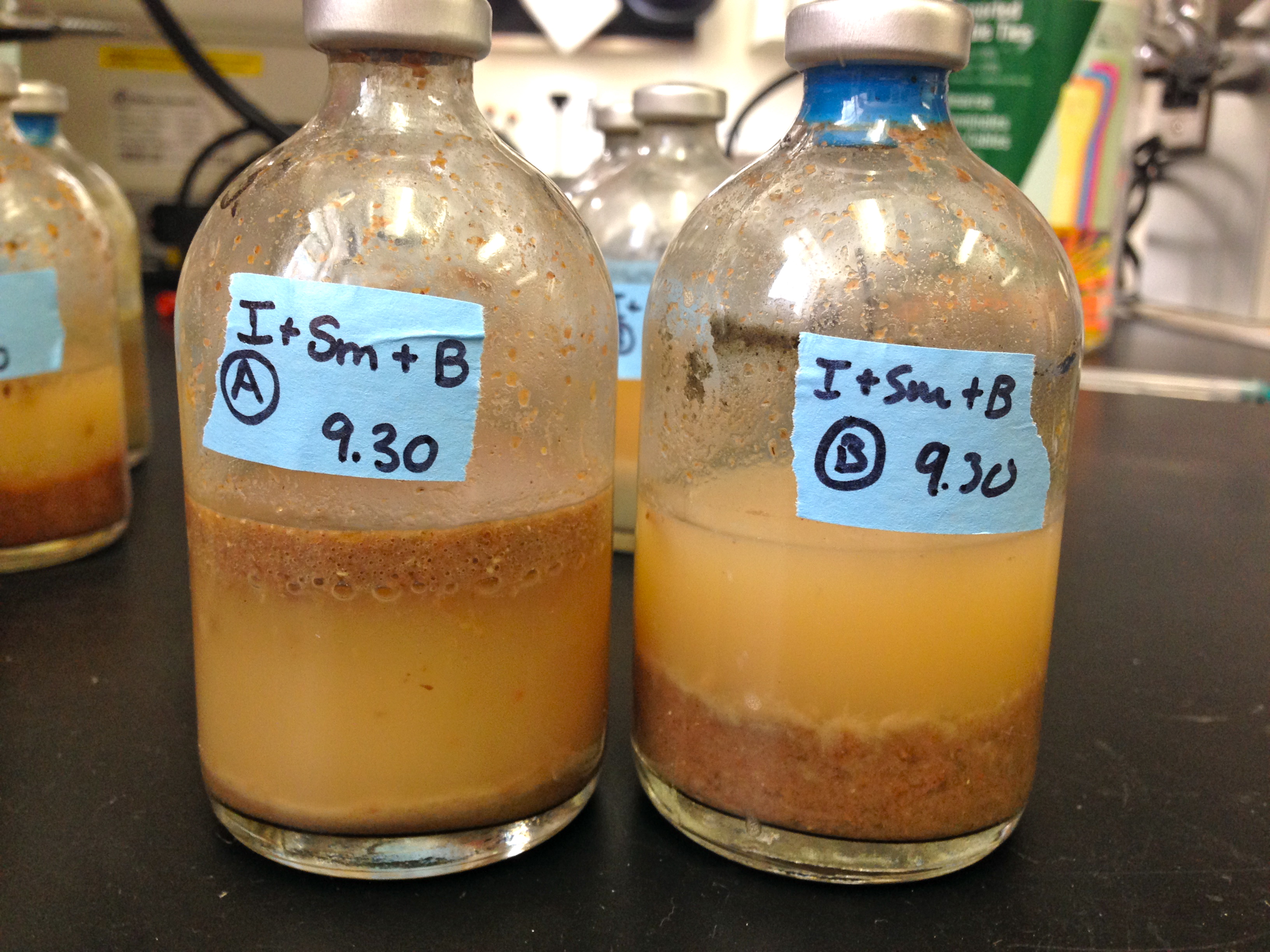
Biogas is one of the earliest forms of bioenergy, yet it is much less prevalent in the U.S. than in other countries such as Sweden, where it’s used to power public transportation. Biogas production isContinue reading
Deer City

Flip open to TIME Magazine’s December 9th feature article, and you’ll find our own Durham, NC right in the opening sentence. This article isn’t about about food trucks, though. It’s about the U.S.’s steep riseContinue reading
Dealing with “microscopic cows”

Dr. Val Smith visits the Nicholas School and shares ideas about preventing predation when growing algae for biofuels.
Measuring Impact
Every Tuesday and Thursday at 10:05 AM, Ecology graduate students take their seats at the long rectangular table in LSRC A312, where we exchange thoughts on assigned journal articles. The topic of discussion last Thursday was conservationContinue reading